
Constantly Varied Nutrition Blog
It is our mission to educate and create an impact in the community by bringing nutrition to the forefront of health. Let us educate you about how to fuel your body optimally to balance your body's systems while keeping you active.
Why a Calorie Deficit Isn’t Enough in Perimenopause (And What Actually Drives Fat Loss)
If eating less worked, you wouldn’t still be here
Struggling to lose those last 20 pounds.
If you’re in perimenopause and doing all the “right” things - tracking calories, cutting carbs, skipping meals, exercising more - but your body feels puffier, more tired, more inflamed, and less responsive than it used to… I'm here to tell you that you are not failing.
You’re not broken.
And you’re not lacking discipline.
What’s failing you is the outdated idea that fat loss is simply about eating less.
A calorie deficit can be part of fat loss. But in perimenopause, it’s rarely the driver, but when it’s applied without understanding the bigger picture, it often does more harm than good.
Why “just eat less” starts to backfire in your late 30s and 40s
In your 20s, your body was far more forgiving. Hormones were stable, recovery was faster, and metabolic flexibility was high. You could cut calories, add workouts, have a few less drinks and see results quickly.
Perimenopause changed ALL of that.
Now that estrogen has started fluctuating and progesterone is declining, your body is becoming more sensitive to stress. And you've never been properly taught that a calorie deficit is a stressor.
When calories drop without adequate support, your body adapts by:
increasing cortisol
slowing thyroid signaling
reducing metabolic output
prioritizing fat storage over fat release
burning muscle instead of fat
This is not your body being stubborn.
This is your body being protective.
Hormones decide whether fat loss is allowed
You might not want to hear it, but it's true. Fat loss in perimenopause is largely dictated by the interaction between estrogen, progesterone, insulin, cortisol, and thyroid hormones.
As estrogen fluctuates:
insulin sensitivity often decreases
blood sugar becomes harder to regulate
fat storage shifts toward the midsection
At the same time, lower progesterone reduces the calming, regulating, anti-cortisol effect it once provided you. The result is a body that perceives threats faster and holds on tighter.
If you attempt to force fat loss through calorie restriction alone in this environment, cortisol rises and the message that tells your body is to conserve energy, not release it.
That’s why I hear so many women say:
“I’m eating less but nothing is changing.”
“I’m losing inches nowhere.”
“I feel worse, not leaner.”
Muscle is not optional! It’s metabolic insurance
One of the biggest mistakes women make in perimenopause is chasing weight loss while neglecting muscle.
Muscle is not just aesthetic. It is:
your largest glucose sink
a major determinant of insulin sensitivity
a regulator of metabolic rate
protective against long-term fat regain
When calories drop without adequate protein and resistance training, muscle loss accelerates. The scale may move briefly, but after a week or two fat loss stalls, metabolism slows, and rebound weight gain becomes inevitable.
This is why real food protein matters.
Eggs, beef, poultry, fish, and shellfish provide amino acids in a form your body recognizes and uses efficiently. They support muscle protein synthesis, stabilize blood sugar, and reduce the cortisol response to a calorie deficit.
Highly processed protein products may help hit numbers, but they do not provide the same hormonal signaling or satiety.
If you need help restructuring meals around real food, the Balanced Plate Challenge (free) is a simple place to start.
Gut health determines whether hormones can be cleared
Here’s a piece that rarely gets discussed in fat loss conversations.
Estrogen is not just produced — it must also be metabolized and eliminated. That happens primarily through the liver and the gut.
If gut motility is slow or the microbiome is imbalanced:
estrogen is reabsorbed instead of excreted
inflammation increases
insulin resistance worsens
fat loss becomes more difficult regardless of calories
This is why fiber from whole foods, consistent meal timing, and digestive function matter so much in perimenopause.
A calorie deficit applied on top of poor gut health, poor sleep, poor habits or too much caffeine doesn’t create fat loss... it creates stagnation and downregulation.
Your nervous system sets the ceiling for fat loss
Fat loss does not occur in a state of chronic threat.
Poor sleep, emotional stress, under-recovery, excessive cardio, late nights, caffeine dependence, and inconsistent rhythms all signal danger to the nervous system.
When the nervous system is dysregulated:
cortisol remains elevated
blood sugar becomes unstable
hunger cues misfire
thyroid signaling slows
You can’t diet your way out of a stressed system.
This is why practices like:
morning light exposure
regular sleep timing
strength training over endless cardio
intentional recovery
are not “extras.” They are prerequisites.
Training should support metabolism, not exhaust it
Exercise is meant to signal adaptation, not depletion.
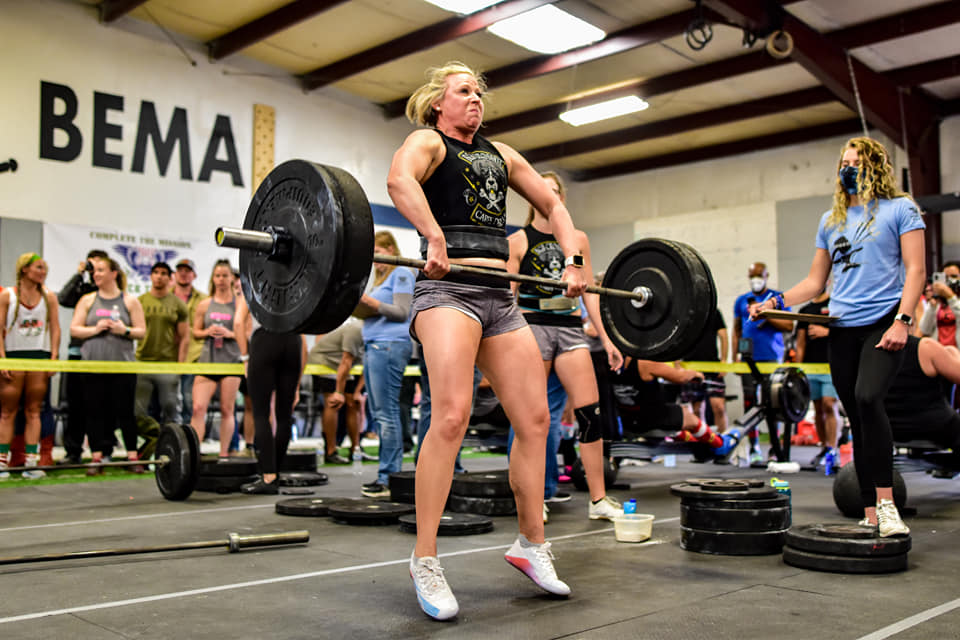
In perimenopause, resistance training 3–5 days per week is one of the most powerful tools for:
preserving muscle
improving insulin sensitivity
supporting thyroid output
enhancing fat oxidation
Cardio has benefits, but it cannot replace strength training. And excessive high-intensity cardio layered onto a calorie deficit often worsens hormonal stress rather than improving body composition.
The truth about calorie deficits
A calorie deficit doesn’t fail.
It reveals where the system is unsupported.
If hormones are dysregulated, the gut is sluggish, muscle mass is low, sleep is poor, and stress is high a deficit becomes inflammatory rather than productive.
When those systems are supported, fat loss becomes far less forceful and far more sustainable.
That’s why fat loss in perimenopause is not about eating less. It’s about creating an internal environment where your body feels safe enough to let go.
If this sounds familiar
If you’ve been dieting for years
If your body no longer responds the way it used to
If eating less makes you feel worse, not better
This is not a willpower issue.
It’s a physiology issue... and it requires a completely different approach.
If you want structured guidance that supports hormones, metabolism, muscle, and long-term fat loss, my Foundations of Balance: Whole Health Optimization Workbook is strategically designed to help you rebuild the foundation without burning your body down in the process.